U.S. weighs seizing Iran’s oil lifeline as Kharg Island becomes the conflict’s biggest wildcard
03/10/2026 / By Cassie B.

- A potential U.S.-Israeli seizure of Iran’s Kharg Island could cripple 90% of its oil exports.
- Such an attack would likely trigger severe Iranian retaliation in the critical Strait of Hormuz.
- This choke point handles 20% of global oil, and its closure would cause a devastating price shock.
- Historically untouched, targeting Kharg would be an unprecedented and risky military escalation.
- The move could spark a wider regional war and a global energy crisis.
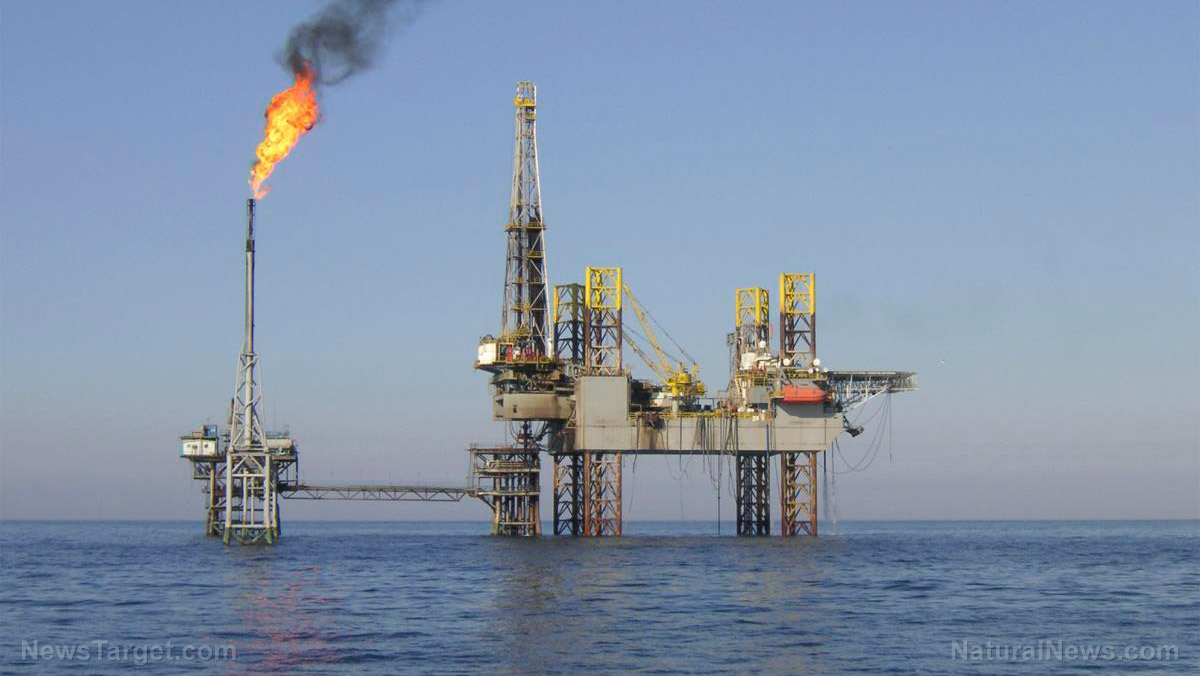
A new front in the escalating Middle East conflict could soon target the very heart of Iran’s economic engine, with analysts warning such a move would guarantee a devastating global oil price shock. Financial giant JP Morgan has issued a severe assessment that a U.S.-Israeli seizure of Iran’s Kharg Island, which handles roughly 90% of the nation’s crude exports, could slash Iran’s oil production in half and virtually halt its exports. This comes as oil prices have already surged, with Brent crude trading near $119 per barrel, reminding the world how quickly regional instability translates to pain at the pump.
The continental island, located in the Persian Gulf, is described as the “backbone” of Iran’s oil infrastructure. It collects oil piped from Iran’s largest fields, including Marun, Ahvaz and Gachsaran. Iran, OPEC’s third-largest producer, pumps about 3.3 million barrels of crude daily, plus another 1.3 million barrels of condensate and other liquids.
A trigger for severe retaliation
JP Morgan’s analysts cautioned, “A direct strike would immediately halt the bulk of Iran’s crude exports, likely triggering severe retaliation in the Strait of Hormuz or against regional energy infrastructure. The Strait of Hormuz is the world’s most critical oil transit chokepoint, with about 20% of global oil and gas historically passing through it. Iran has long held the capability to disrupt this traffic, a card it would be almost certain to play if its primary export terminal were attacked or occupied.
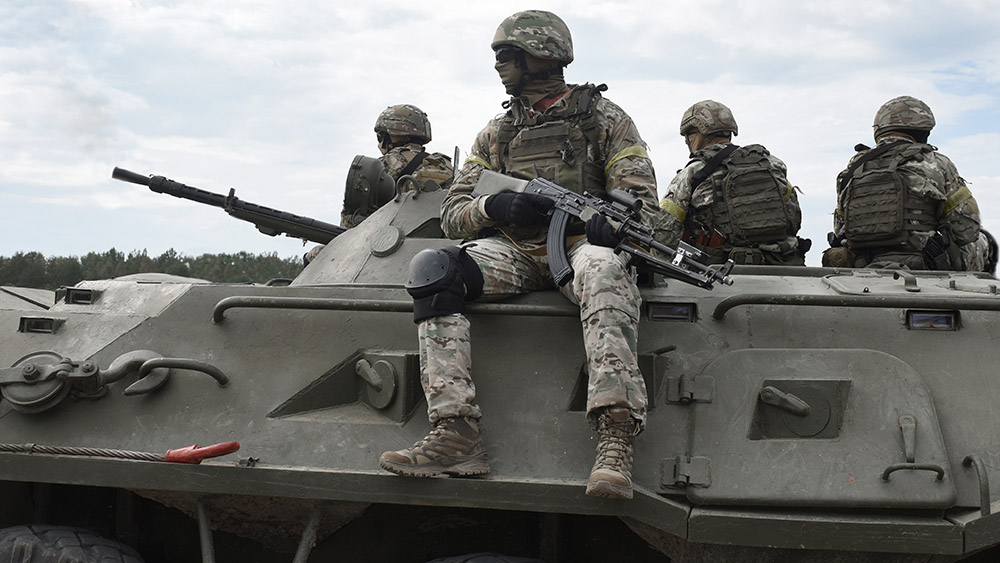
The idea of targeting Kharg Island has reportedly been discussed within the U.S. administration. Seizing it “would cut off Iran’s oil lifeline,” according to Petras Katinas, a research fellow at the defense think tank RUSI. He noted it could provide the U.S. significant leverage in future negotiations but warned that “seizure would require a ground troop operation, which this administration seems hesitant to undertake.”
An unprecedented escalation
Historically, Kharg Island has remained conspicuously untouched, even during periods of intense conflict. During the 1979 Iran hostage crisis, President Jimmy Carter imposed sanctions but refrained from ordering strikes on the island. His successor, Ronald Reagan, targeted Iranian vessels during the 1980s Iran-Iraq Tanker War but also left Kharg alone. Even Iraqi forces during their eight-year war with Iran, while striking some terminals and tankers, failed to disable the island’s core operations.
“Although Iraqi forces struck some terminals and tankers during the eight-year war, Kharg remained largely operational and damage was typically repaired quickly, demonstrating that disabling it would require sustained, large-scale attacks,” JP Morgan’s note explained. This history underscores that any move against Kharg would represent a severe and unprecedented escalation.
The island’s strategic value is underscored by Iran’s own recent actions. In the days leading up to recent U.S.-Israeli attacks, Iran ramped up exports from Kharg to near record levels in excess of 3 million barrels per day, nearly triple its normal export pace. The island has substantial storage capacity, estimated at roughly 30 million barrels, with about 18 million barrels currently in storage. This is enough for 10 to 12 days of exports under normal conditions.
Risks and complications
Analysts point out that any operation to seize the island would be immensely risky. It would require putting U.S. troops on the ground, where they would become a sustained target for Iranian drones and missiles. Tehran might even consider sabotaging the pipelines feeding the island to deny the U.S. control. Furthermore, with shipping through the Strait of Hormuz already severely disrupted, occupying Kharg would not immediately resume oil flows but could further inflame the region.
The geopolitical calculus is complex. Some see it as a potential leverage point, similar to U.S. actions targeting Venezuela’s oil sector. Jan van Eck, CEO of VanEck Funds, suggested it fits a pattern, stating, “What did [Trump] do? He cut off their oil exports, their hard currency, and I think he is going to want that leverage point going forward.”
Yet the immediate effect would be a dramatic tightening of global oil supply. With Iran’s exports potentially halted and retaliation threatening other regional producers, the price spikes could be extreme. Oil prices have already jumped sharply as the conflict has intensified, showing the market’s acute sensitivity.
The situation presents a dangerous dilemma. Targeting Kharg Island could deal a crippling blow to the Iranian regime’s finances but at the probable cost of igniting a wider regional war and sending energy prices into uncharted territory. For consumers already feeling the pinch of rising inflation, this distant island in the Persian Gulf may hold the key to whether the conflict remains contained or erupts into a full-blown global energy crisis.
Sources for this article include:
Submit a correction >>
Tagged Under:
big government, dollar demise, economic disaster, energy, energy supply, gas prices, Globalism, government debt, Iran, market crash, national security, oil, oil prices, pensions, risk, supply chain, terrorism, Tyranny
This article may contain statements that reflect the opinion of the author
Get independent news alerts on natural cures, food lab tests, cannabis medicine, science, robotics, drones, privacy and more from NewsTarget.com
Get independent news alerts on natural cures, food lab tests, cannabis medicine, science, robotics, drones, privacy and more from NewsTarget.com
RECENT NEWS & ARTICLES